

As luxury fashion explores regenerative materials, the conversation is expanding beyond sustainability to include science, craft, and systems thinking. Through her award-winning work on FibreVeil, Tasha Lapidus is helping reshape how we think about materials and value. In this conversation with LuxuryNext, she shares her thoughts on living materials, craft, scale, and why the future of luxury is rooted in working with nature rather than against it.
Q. You recently won the international A’Design Award in April 2026 in Como, Italy, for FibreVeil, a bio-based material developed from raw plant fibres and natural binders. Luxury has long equated value with permanence. With materials designed to evolve over time, what mindset shift do luxury brands need to make when they think about durability, legacy, and value?
Tasha Lapidus: I would probably describe luxury a little differently. Historically, I don’t think luxury was defined mainly by permanence. Durability has always been valuable, of course, but it was only one quality among many.
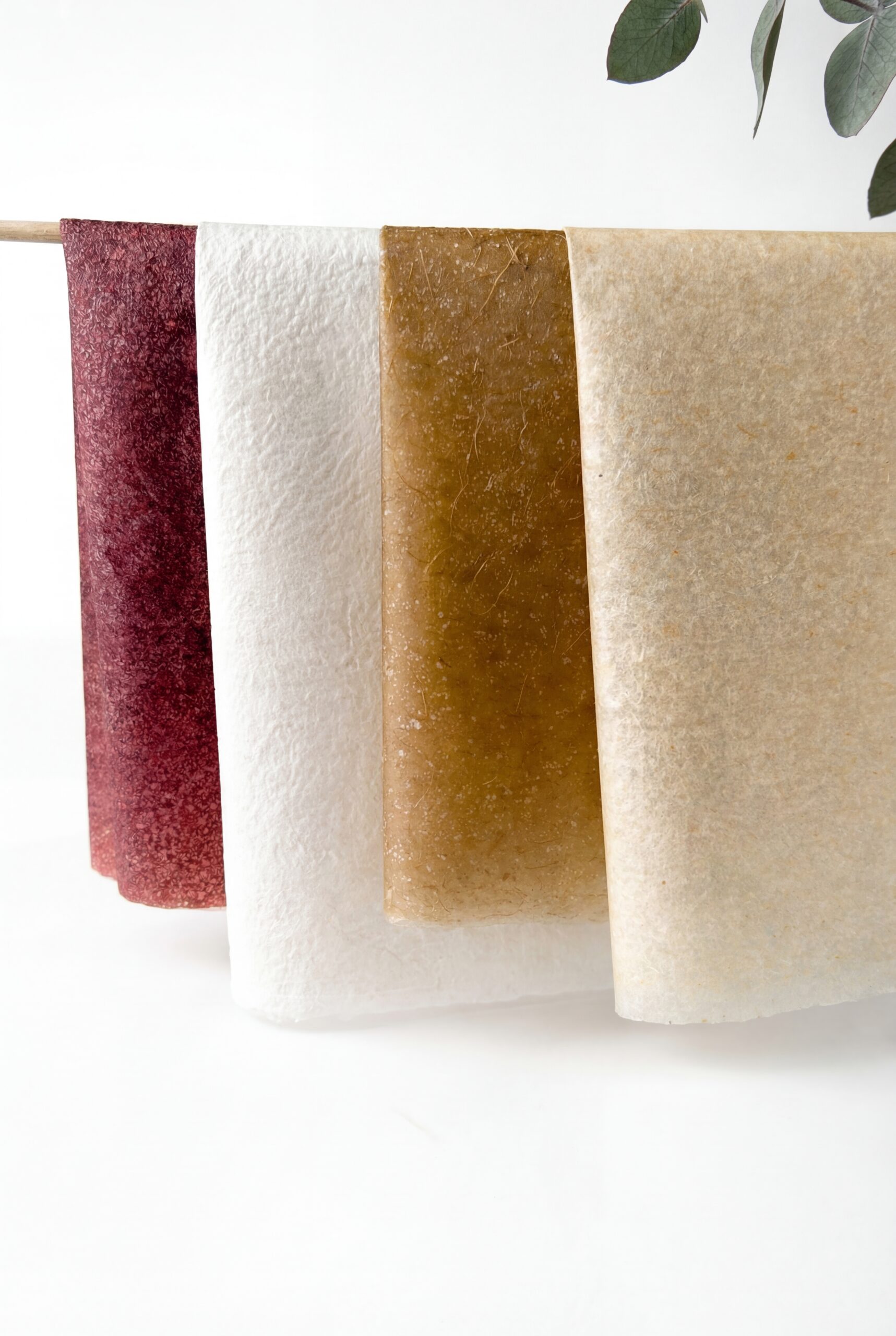
Luxury was often created through rarity, exceptional craftsmanship, precious materials, complex techniques or colours that were difficult to produce. Gold embroidery, rare pigments or handmade lace were valuable not because they would last forever, but because very few people could create them. In that sense, biomaterials do not challenge the idea of luxury. They simply introduce another way of creating value.
Today, luxury brands are also changing. They are no longer competing only through quality or durability. They are competing through identity. They are looking for materials, techniques and stories that cannot easily be copied.
Value has never depended on a single quality.
Materials have become one of the strongest ways to express that identity. We already see brands investing in their own fibres, developing exclusive textiles and returning to heritage crafts to create something unique. Biomaterials naturally become part of this conversation because they combine innovation with craftsmanship and often carry a deeper environmental and cultural story.
So I don’t think luxury brands need to stop valuing durability. Rather, they need to recognise that value has never depended on a single quality. A material can be rare, carefully developed, culturally meaningful and responsibly made. To me, those qualities also belong to the language of luxury.
Q. Your work brings biomaterial science into dialogue with heritage craft, including Irish lace-making. How can luxury houses use science not to replace rare crafts, but to protect their cultural meaning and relevance as materials and production methods evolve?
Tasha Lapidus: I don’t really see science and craftsmanship as doing the same job, so I don’t think one replaces the other. Science gives us new materials and new ways of making those materials. Craft is about how those materials are used. They are different parts of the same process.
If we take Irish lace as an example, the technique itself does not change because the thread changes. A maker can work with cotton, linen or a new bio-based fibre. Every thread has its own character, texture and behaviour. Some are easier to work with, some are more difficult. They simply ask for different skills.
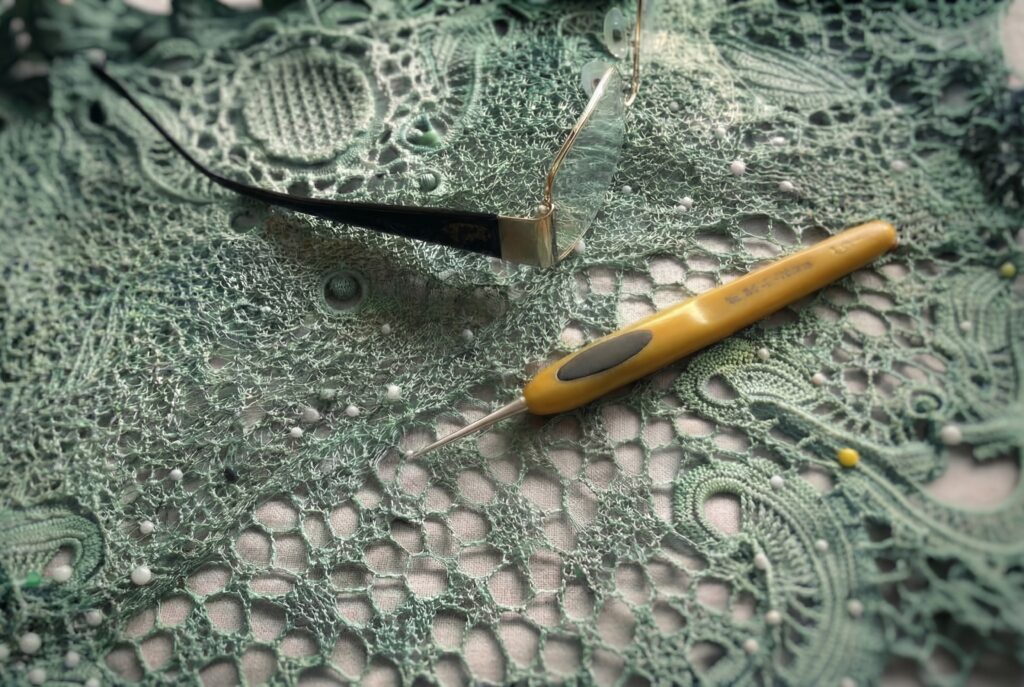
The same is true for many traditional crafts. New materials do not replace the craft. They give craftspeople new possibilities to explore.
Science can also create completely new textures or living materials that have never existed before. These may inspire new techniques or be combined with traditional ones. But this is not a replacement. It is the beginning of something new.
The craft remains, the material evolves and together they allow tradition to stay relevant without losing its meaning.
I think this is exactly why luxury houses are interested in both science and heritage craft. They are always looking for new materials, new visual effects and new ways to express their identity. Heritage gives them cultural depth, while science expands what is technically possible. The craft remains, the material evolves and together they allow tradition to stay relevant without losing its meaning.
Q. You’ve raised an important question publicly: how do we scale innovation? Moving living materials from the lab into real supply chains remains difficult. Do you think scale will come from legacy manufacturing adapting — or from avant-garde creators such as Iris van Herpen or Diana Scherer redefining how fashion is made altogether?
Tasha Lapidus: I don’t think it is a choice between the two. Designers like Iris van Herpen or Diana Scherer play an important role because they show what is possible. They create new ideas, new visual languages and new ways of thinking about materials. That is how innovation begins.
But showing what is possible is not the same as scaling it. Real scale happens when an entire system is ready. It needs material developers, manufacturers, testing, production, certification, brands, marketing, regulation and, finally, customers who choose these products in everyday life. If one part of that chain is missing, the material may remain an interesting experiment, but it will not become part of the market.
The real challenge is building the connections that allow those ideas to move from the laboratory into people’s everyday lives.
So, for me, scaling is not really about one designer or one manufacturer. It is about dialogue between everyone involved. Every part of the system has to adapt and learn from the others. I also think we should stop talking about scaling as replacing existing materials overnight. That is not how change usually happens. Real innovation grows step by step. It finds the right applications, improves over time and gradually becomes part of everyday production.
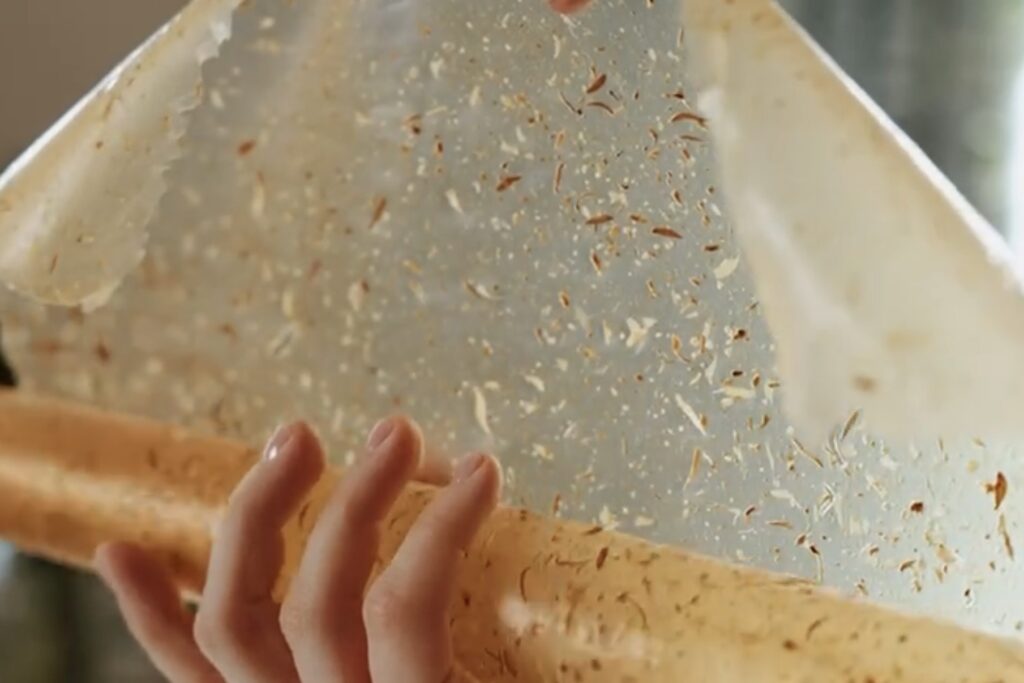
That is why I see scaling as a systems question rather than a design question. We already have many good ideas. The real challenge is building the connections that allow those ideas to move from the laboratory into people’s everyday lives.
In many ways, it is one of the most important questions for the future of the industry. Scaling innovation is not one challenge but a combination of many different challenges. The more we discuss them together, the better our chances of building a system where innovation can move naturally from research into everyday life.
Q. From your experience working directly with regenerative and living materials, what is one common assumption that brands or production teams often get wrong when they try to work with these materials for the first time?
Tasha Lapidus: I think the most common assumption is that a new material should behave exactly like the material it is replacing.
Brands often hope they can simply substitute one fabric for another and continue working in exactly the same way. But that is rarely how innovation works. Every new material has its own behaviour. It reacts differently to movement, moisture, heat, sewing, ageing and everyday use. Before introducing it into a collection, brands need to understand these qualities rather than expect the material to fit existing production methods.
Every new material has its own behaviour.
Living materials add another interesting challenge. Sometimes they are already so expressive that they become part of the creative process themselves. They have their own texture, structure and visual language. The designer is no longer working only with an idea but also with the character of the material.
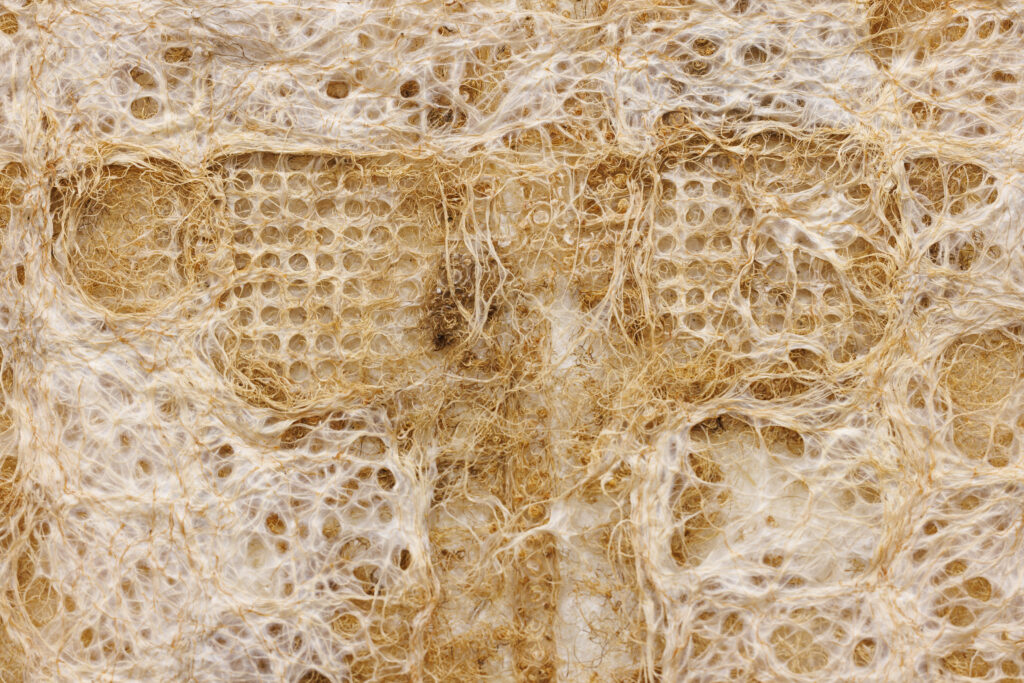
I don’t see this as a limitation. I see it as an opportunity. New materials invite designers to ask different questions and discover new ways of working. That is why I believe the biggest challenge is not the material itself. It is our expectation that innovation should behave like something we already know. Real innovation asks us to adapt as well.
Q. Looking ahead, what conversation about regenerative materials does the luxury industry still need to have more honestly if real change is going to happen?
Tasha Lapidus: I think the most honest conversation is not only about regenerative materials. It is about the way our whole system is designed. Today, most materials still have one planned life. They move through the supply chain, reach the customer and then, sooner or later, the story ends. For me, this is where the real challenge begins.
I think we need to design systems where materials can have a second, third or even fourth life. Not always by becoming the same product again, but by finding new purposes in different contexts. That is how we begin to build a truly regenerative system.

This is not only about developing better materials. It is also about designing better connections between industries, products and people.
I also believe education has a much bigger role to play. We should help people understand materials from an early age – not only what they are made of, but how they move through the world, how they can be reused and how one material can become the starting point for something new.
For me, regeneration is not simply about making better materials. It is about creating a way of thinking where materials are never seen as the end of a story, but as the beginning of the next one.
Materials are never seen as the end of a story, but as the beginning of the next one.
Tasha Lapidus is an award-winning material researcher and designer whose work on the bio-based composite FibreVeil earned her the international A’Design Award in Como, Italy. Discover more of her work at tashalapidus.com or follow her updates on LinkedIn.
All Images Courtesy: Tasha Lapidus