

What happens when circular design stops looking like a compromise and starts looking like fun?
For Ustat Kharbanda, founder of DUJA, the answer lies in color, texture, craft and letting the material lead. Working with post-consumer textiles, DUJA turns what already exists into one-of-a-kind pieces through unexpected combinations, playful construction and a fun, fashionable spirit. The result is circular design that feels exciting first, with the story behind how it was made adding another layer of meaning.
A finalist in the 2026 R|Elan Circular Design Challenge, Kharbanda is bringing this approach to a wider conversation about circular design.
In this conversation with LuxuryNext, Ustat talks about her work, the story behind DUJA, what inspires her creativity, and how she is making circular design feel more desirable, playful and full of possibility.

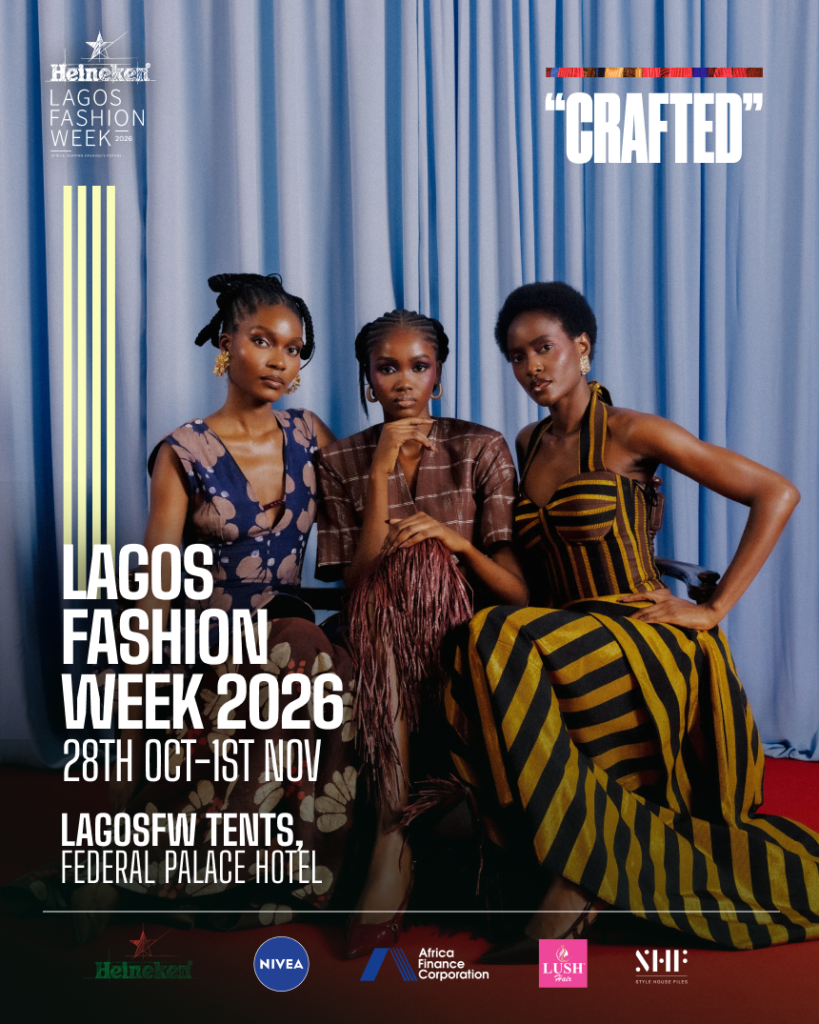
DUJA Campaign – Image Credit: Ishaan Dhawan, Direction: Ustat Kharbanda, Makeup: Muskan Chhaparia
What led you to start DUJA, and what draws you to working with post-consumer textiles? Has working with materials that have already had a life changed your understanding of value and luxury?
Ustat Kharbanda:
DUJA started with a simple question: what if waste could be the starting point for something desirable? I wanted to build a brand that treated post-consumer textiles not as a compromise, but as a creative resource.
DUJA is about reimagining what already exists through strong design, craft and a sense of play.
What attracts me most is that the material comes with its own history. A discarded textile already has color, texture, wear and character.
It has definitely changed my understanding of luxury. At DUJA, value isn’t about whether something is untouched or brand new. It is about the creativity, craftsmanship and time involved in giving an existing material another life. In that sense, a piece can carry more emotional value because of everything that has gone into transforming it.
What attracts me most is that the material comes with its own history. A discarded textile already has color, texture, wear and character—and those qualities make every piece more interesting. With DUJA, we’re not trying to erase that history; we use it as part of the design language.
Design Process at DUJA
How does working with post-consumer materials shape the way you design, and how do you keep the process fun, fashionable and appealing to the customer?
Ustat Kharbanda:
It completely changes the design process. With conventional fabric, you can begin with a sketch and source the exact material you need.
We don’t want DUJA to look like a lesson in sustainability.
With DUJA, we often begin with what we find, so the material determines the scale, color combinations, construction and sometimes even the final silhouette. That unpredictability is an important part of the creative process.
We don’t want DUJA to look like a lesson in sustainability. We are not working with everyday materials like cotton or denim, we are not making sustainable silhouettes flowy and conserved, everything is fun and flirty. We are making this concept cooler. We want it to look like a great design.
We use unexpected combinations, color, texture and playful construction to make the pieces exciting first. The circular story is something that makes the piece even more meaningful once you discover how it was made.
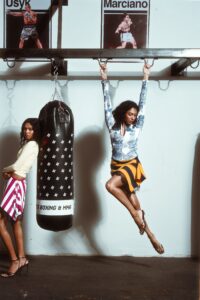
DUJA Campaign – Image Credit: Ishaan Dhawan, Direction: Ustat Kharbanda, Makeup: Muskan Chhaparia
DUJA has a strong focus on individuality, from one-of-a-kind pieces to craft and collaborations. How do these different elements come together to shape the identity of the brand and the way you work?
Ustat Kharbanda:
DUJA has a very recognizable attitude, we like things that are expressive, slightly unexpected and not overly polished. Our niche might be the Jerseys – being a material that is hard to rework and recycle it makes it as much more important for us to keep it out of the landfill. Because we work with what already exists, every piece naturally develops its own personality. Our customer is someone who appreciates individuality and wants to wear something that doesn’t feel mass-produced or predictable. It is desirable and unique.
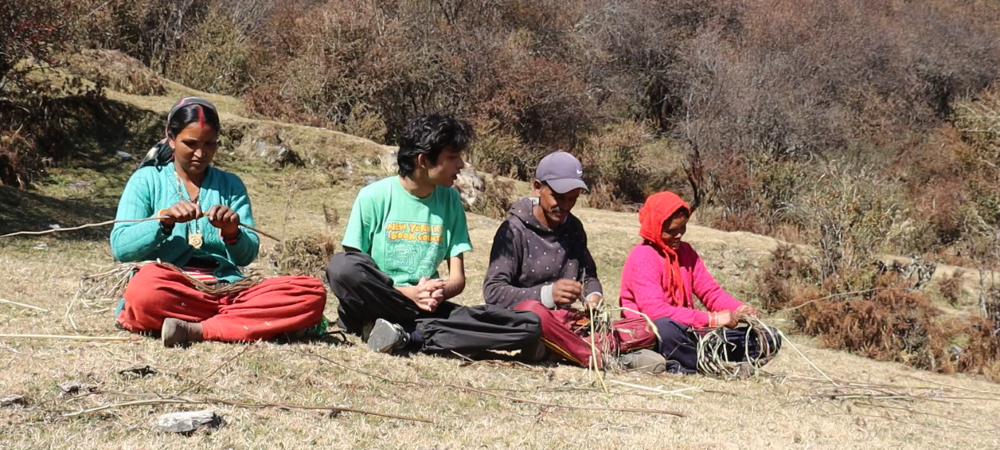
Craft is what allows the material to be transformed rather than simply reused. Our craftspeople bring an understanding of construction, finishing and technique that helps us work with materials that can be unpredictable. We also work with artisans all over India for handwork and detail – mirror work, block print, embroidery and more. It adds so much value to the garments. There is a real exchange between our design ideas and their expertise, and that collaboration is visible in the finished pieces.
That same approach extends into collaborations. Collaborations allow us to take the DUJA approach into new contexts. A different brand brings a different aesthetic, material challenge or audience, and that forces us to think differently. It’s exciting because we can retain our focus on circular design while discovering new ways of expressing it. Exploring different products all together while inspiring these brands to do their bit in circularity.
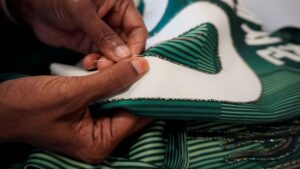
Handcrafted work at DUJA
Each DUJA piece has its own character because of the materials you work with. How does that one-of-a-kind quality shape the way you think about the customer experience?
Ustat Kharbanda:
For DUJA, it is very much part of the proposition. If we are working with post-consumer materials, making every piece identical isn’t necessarily the goal. The one-of-one nature celebrates the material itself and makes the customer feel that they’ve found something rather than simply bought something. There is a sense of discovery in that, and that makes each piece feel more personal.