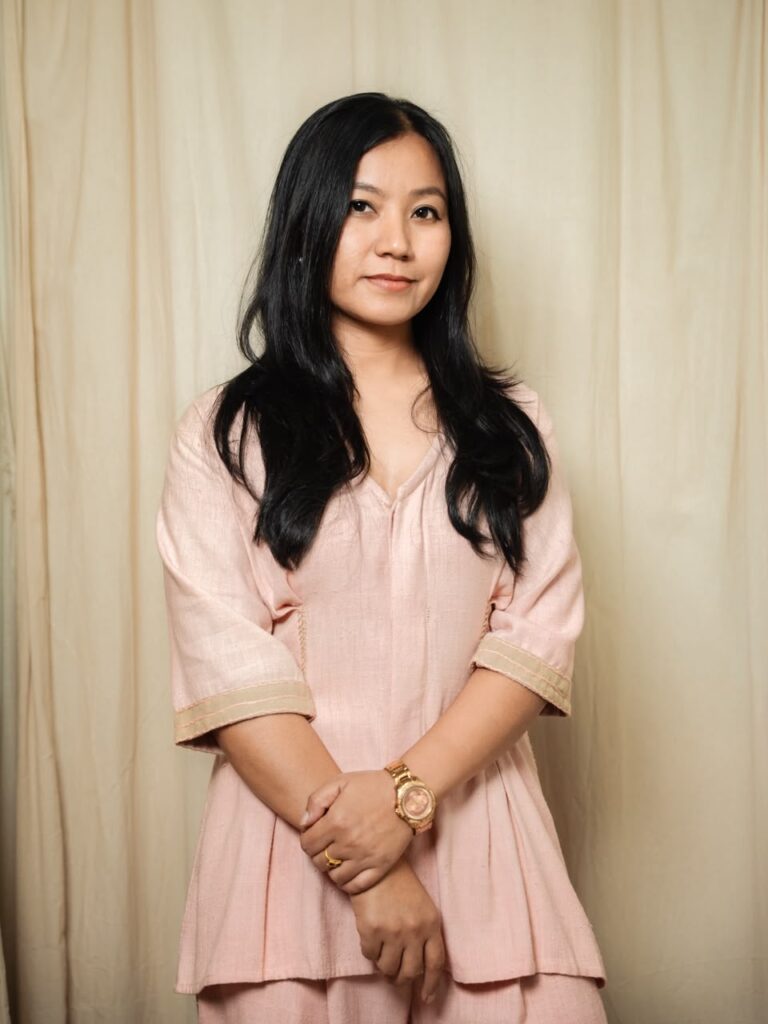
An interview with Iba Mallai, Founder of KINIHO
Often called peace silk, Eri silk is distinctive for its production process. Unlike conventional silk production, in which silkworms are killed inside their cocoons to obtain the silk filament, Eri silkworms are allowed to emerge naturally as moths. The remaining cocoons are then collected and processed into yarn. This approach has earned Eri silk its association with a more compassionate way of producing silk.
Beyond its production, Eri silk carries generations of indigenous knowledge and cultural heritage in Meghalaya, where women have preserved the practices of silkworm rearing, spinning and weaving.
For Iba Mallai, founder of KINIHO, Eri silk represents both a connection to her roots and an opportunity to bring Meghalaya’s textile heritage to a wider audience.
CONVERSATION
Q1. For someone discovering Eri silk for the first time, what makes it special? What first drew you to this textile and its traditions in Meghalaya?
IBA MALLAI: What makes Eri silk special is not just its texture or the way it feels, but the values and traditions woven into it. Known as Ryndia in Meghalaya, Eri silk is deeply connected to our land, culture and way of life. It is often called peace silk because the moth is allowed to emerge naturally from its cocoon, making it a cruelty-free form of silk. It has a beautiful natural texture, a soft warmth and an understated elegance that makes it versatile and timeless.
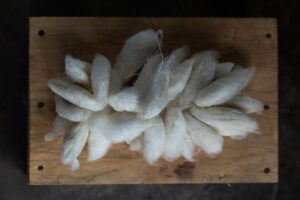
What first drew me to Eri silk was its deep connection to the indigenous communities of Meghalaya. I was fascinated by how generations of women have preserved the knowledge of rearing, spinning and weaving this textile, using skills and techniques passed down through generations.
What makes Eri silk special is not just its texture or the way it feels, but the values and traditions woven into it.
Q2. How has Eri silk weaving been kept alive in Meghalaya across generations? What stories, skills and cultural knowledge are woven into the fabric that people might not immediately see?
IBA MALLAI: Eri silk weaving has been kept alive in Meghalaya largely through the knowledge and practices of women within our communities. It is a tradition that has been passed down from one generation to another, often within families, where daughters learn by observing their mothers and grandmothers spin, prepare yarn and weave.
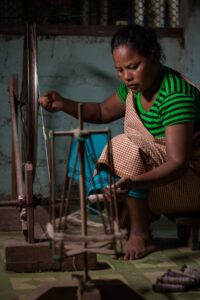
An understanding of the Eri silkworm, its lifecycle, the castor plant on which it feeds, the process of extracting and spinning the fiber, preparing the yarn and finally transforming it into fabric on the loom. The intimate understanding of the material itself. Our weavers know the behavior of Eri silk, its texture, strength and limitations. These are the skills and cultural knowledge that our community weavers have that may not be seen immediately.
Q3. KINIHO works with locally sourced Eri silk. Could you take us through its journey, from sourcing the fiber to hand-spinning and weaving? What makes each stage special?
IBA MALLAI: At Kiniho, the journey of Eri silk begins with our local Eri farmers in Meghalaya. We source our yarn locally, supporting the people who are involved in sustaining this traditional fiber and its production.
We work with both handspun and machine-spun Eri yarn, depending on the product and the kind of finish or texture we want to achieve. Handspun yarn has a beautiful, organic character, with natural variations that give the fabric a distinct personality. Machine-spun yarn, on the other hand, offers greater consistency and is useful for certain designs and applications.
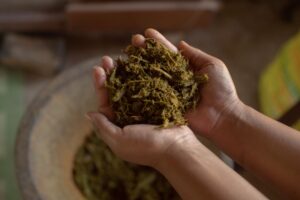
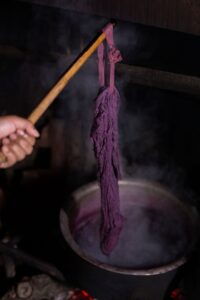
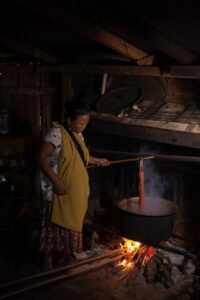
Once we source the yarn, we work with natural dyes to bring color to the fiber. We explore colors derived from natural materials such as turmeric and annatto seeds. This process allows us to create a palette that feels connected to nature while being mindful of the materials and processes we use.
The next stage is design and weaving, where we develop the textile structures, patterns and motifs, considering the character of the yarn and how it will translate into the finished fabric. Our community of weavers at Umden Eri Silk Village then bring these designs to life on the handloom.
What makes each stage special is the knowledge, skill and human involvement behind it. From the farmers who nurture the silkworms to the yarn producers, dyers, designers and weavers, every stage contributes to the identity of the final textile.
At Kiniho, we see ourselves as connecting these different stages of the value chain. Our intention is not just to create beautiful products from Eri silk, but to build a more meaningful and responsible textile ecosystem that supports local communities while bringing Meghalaya’s weaving heritage into contemporary design.
Q4. You work with natural dyes and traditional textile techniques. How do these influence the colors, textures and character of your creations? Are there particular local practices or materials that inspire you?
IBA MALLAI: Natural dyes and traditional textile techniques play an important role in shaping the identity of Kiniho. They influence not only the colors we create but also the overall character, texture and feel of our textiles.
Our inspiration comes from the natural and cultural landscape of Meghalaya. We are constantly inspired by our surroundings, the mountains, forests, rivers, changing seasons and the colors and forms found in nature.
Beyond the landscape, Khasi folktales, indigenous stories and other traditional art forms are important sources of inspiration for us. These stories carry a wealth of cultural memory, symbolism and imagination. We find ways to interpret these influences into contemporary textile designs, patterns, motifs and textures.
Our approach is to bring these different influences together through Eri silk and traditional handloom techniques. We want our textiles to reflect where we come from without being limited to traditional expressions. We reinterpret these cultural and natural references in ways that feel relevant to contemporary lifestyles.
We want our textiles to reflect where we come from without being limited to traditional expressions.
Q5. How do Meghalaya’s folklore, landscapes and cultural traditions find their way into your designs? Is there a particular story, motif or tradition that has influenced a piece you have created?
IBA MALLAI: One beautiful example of this is our interpretation of Sier Lapalang, a well-known Khasi folktale about a stag who disobeys his mother. We were fascinated by the story and its cultural significance, and wanted to explore how we could translate it into a textile narrative.
Instead of illustrating the entire story literally, we identified key elements and visual references from the folktale and translated them into motifs and patterns that could be woven into the fabric. In this way, the textile becomes a medium of storytelling, allowing a traditional oral narrative to find a new expression through contemporary design.
Q6. Could you tell us a little about the story behind KINIHO? What inspired you to build the brand, and what distinctive perspective did you want to bring to contemporary textiles and design?
IBA MALLAI: KINIHO was born in 2016 from my desire to create something meaningful by working closely with the rich textile heritage of Meghalaya particularly Eri silk and our community weavers. I was living far away from home when I started my journey and this was one of my reason to re connect back with my roots.
Growing up in Meghalaya, I was surrounded by a rich cultural landscape, traditional craftsmanship and indigenous knowledge systems. As I began exploring Eri silk more deeply, I realized that while it held immense cultural and ecological value, there was an opportunity to bring this beautiful textile into a contemporary design language and introduce it to a wider audience. I believed that our indigenous textiles could have a place in contemporary wardrobes and modern lifestyles without losing their identity, integrity or connection to the communities that make them.
For us, sustainability is not just about using natural fibers or materials; it is about considering the entire process.
What makes Kiniho distinctive is our approach to design. We draw inspiration from Meghalaya’s landscapes, Khasi folklore, cultural narratives and other art forms, interpreting these influences through textiles. We are interested in creating pieces that carry a story and a sense of place, rather than simply following trends.
At the heart of Kiniho is our philosophy of ‘Creating Responsibly’. For us, sustainability is not just about using natural fibers or materials; it is about considering the entire process the people involved, the resources we use, the knowledge we preserve and the impact we create.
Q7. Through KINIHO, you have explored Eri silk in clothing, accessories and homeware. How do you reimagine this traditional textile for contemporary life? Have any design experiments or collaborations particularly excited you?
IBA MALLAI: For us at Kiniho, reimagining Eri silk for contemporary life is about exploring the possibilities of the textile without losing its inherent character and cultural identity.
Traditionally, Eri silk has been used predominantly for shawls and other traditional garments. We wanted to explore how this beautiful textile could move beyond those conventional applications and become part of everyday contemporary living.
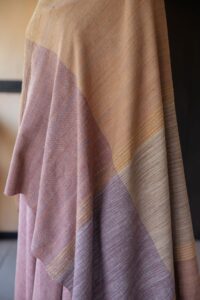
Over the years, we have experimented with Eri silk across clothing, accessories and homeware. From jackets, dresses and shirts to scarves, stoles, cushion covers and table runners, we enjoy exploring how the same textile can take on different forms and functions.
We have also had some exciting opportunities to take our work beyond our own collections. Last year, we had the opportunity to create designs for an exhibition at the National Crafts Museum in Delhi. It was a meaningful experience to present our interpretation of Eri silk within a larger platform celebrating India’s craft traditions.
We are also looking forward to our upcoming participation in Royal Enfield, Journeying Across The Himalayas (JATH) 2026, which gives us another opportunity to explore and present our textile and design practice to a wider audience.
Q8. As KINIHO reaches audiences beyond Meghalaya and India, how do you adapt your designs and presentation for international markets while retaining their cultural identity? What has the response been so far?
IBA MALLAI: We focus on clean silhouettes, versatile designs and functional products that can be appreciated across cultures. We also place importance on communicating the stories behind the textile, the artisans and the traditions.
The response has been encouraging. People are increasingly interested in the authenticity, sustainability and craftsmanship behind our products. We have realized that while fashion preferences may differ across markets, an appreciation for thoughtful design, cultural identity and handmade textiles is universal.
I believe the future of sustainable fashion lies not just in what we make, but in how responsibly we make it and how much value we create for everyone involved in the process
Q9. Do you feel today’s customers are becoming more conscious of what they wear, where materials come from, how they are made and who makes them? How does this changing understanding of value create opportunities for KINIHO and the craftspeople behind its work?
IBA MALLAI: Yes, I do feel there is a growing awareness among consumers about what they wear and the stories behind the products they buy. People are beginning to look beyond aesthetics and ask questions about materials, craftsmanship, sustainability and the people involved in making them.
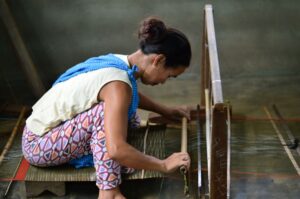
For Kiniho, this creates an opportunity to build a deeper connection between the consumer and the craft. When people understand the journey of Eri silk, the time and skill involved in hand-spinning and weaving, and the communities behind the textile, they begin to appreciate its value beyond just the finished product.
This changing mindset also creates opportunities for our craftspeople. It allows us to recognize their skills, create more meaningful livelihoods and encourage younger generations to see traditional craftsmanship as a viable and valued profession.
I believe the future of sustainable fashion lies not just in what we make, but in how responsibly we make it and how much value we create for everyone involved in the process.