
The final day of on-site shows at Lagos Fashion Week 2026 brought the business of building African fashion brands into focus. While the runway offered another look at the creativity and diversity of designers from across the continent, the day’s conversations turned to what happens behind the scenes: finding the right funding, managing production, reaching new customers and building relationships with retailers.
For independent designers, creative talent is only one part of the journey. Turning a strong design identity into a business that can grow and last takes planning, the right partnerships and a clear understanding of the market.
Building Brands for the Long Term
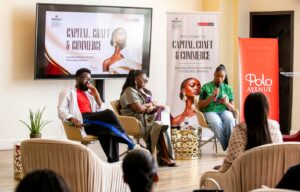
The day opened with a discussion titled Scaling with Invention: Capital, Capacity & Growth, moderated by Abby Ogunpolu, Lagos Fashion Week’s Contributing Editor for BusinessDay. The session featured Abiola Adelana, Head of Tourism and Creative Art Business at Sterling Bank, and Adeju Thompson, Founder and Creative Director of Lagos Space Program.
Photography credit – Kola Oshalusi (Insigna Media)
The conversation looked at the challenges designers face as they move from building a creative label to running a growing business. Funding is important, but so are production capacity, international wholesale logistics and the relationships needed to reach new markets.
Adelana also made a point about the people behind a business. Talent and intelligence matter, but character and integrity are just as important when building something intended to last.
From Brand Visibility to Business Growth
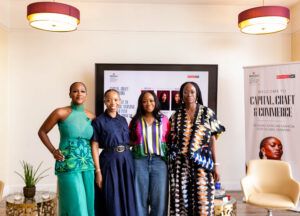
A second panel, From Buzz to Business: Turning Demand into Lasting Growth, looked at what it takes to turn attention into actual business results.
Moderated by Tejumola Maurice-Diya, Founder of The Fashioned Museum, the discussion brought together Rukky Ladoja, Founder and Creative Director of Dye Lab; Kikelola Ojewale, Partner, Intellectual Property at Dentons ACAS-LAW; and Ijeoma Balogun, Founder and CEO of Redrick Public Relations.
For independent labels working with limited budgets, Ladoja stressed the importance of understanding their customers rather than following every new trend. Marketing decisions, she suggested, should be guided by customer data and a clear sense of what is delivering results.
Balogun spoke about the value of brand collaborations, pointing out that they can serve different purposes: strengthening a brand’s position with its existing audience or introducing it to an entirely new group of customers.
The discussion was a useful reminder that visibility alone does not build a business. Brands need to understand who they are reaching and what they want those relationships to achieve.
Photography credit – Kola Oshalusi (Insigna Media)
Getting Ready for the Retail Market
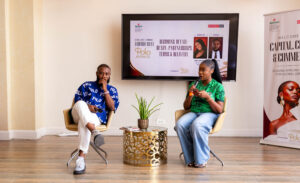
The final business conversation, Becoming Retail-Ready: Partnerships, Terms and Delivery, featured Olamoniso Nduka, Head of Commercial at Polo Avenue, in conversation with Abby Ogunpolu.
Drawing on Polo Avenue’s experience connecting international luxury brands with African fashion labels across Nigeria and Dubai, Nduka discussed what retailers expect from designers looking to enter the multi-brand luxury market.
Photography credit – Kola Oshalusi (Insigna Media)
A strong collection is only the starting point. Designers also need professional line sheets, reliable production capacity and a clear understanding of wholesale pricing and margins. These details can make the difference between attracting interest from a retailer and being able to fulfil an order.
For emerging labels hoping to expand beyond their home markets, retail readiness is an important part of becoming a sustainable business.
On the Runway: Heritage, Materials and New Ideas
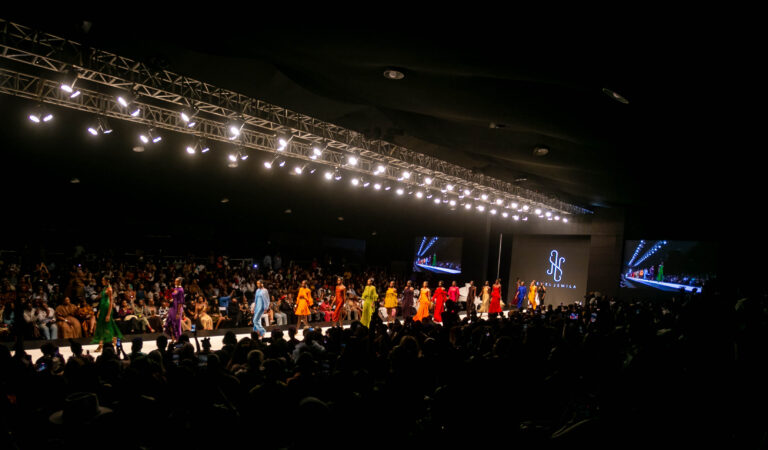
Away from the business sessions, the runway brought together designers exploring different ways to interpret African identity, textiles and contemporary style.
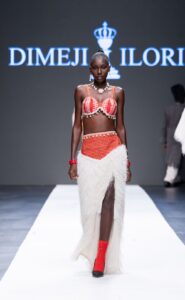
Dimeji Ilori’s Ancestral Intelligence stood out for its use of traditional silhouettes and aso òkè. Embroidery and cowrie details brought cultural references into contemporary designs, while textured menswear and structured pieces gave the collection a strong visual identity. It was a thoughtful look at how heritage can continue to find a place in modern fashion.
Photography credit – Kola Oshalusi (Insigna Media)
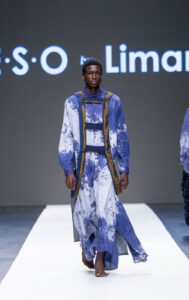
E.S.O By Liman drew inspiration from the many personalities and lived experiences of Yoruba women for Cosmic Bodies. Hand-dyed fabrics, textured pieces and checkered prints featured alongside a reimagining of the iro and buba in lace-like materials. The collection played with volume, movement and familiar forms in a contemporary way.
Photography credit – Kola Oshalusi (Insigna Media)
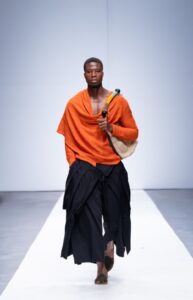
Kenyan label Studio Namnyak brought its perspective on Kenyan craftsmanship to the show. Its collection moved between pinstripes, black separates and relaxed draped menswear, with orange, white and shades of blue adding color.
Photography credit – Kola Oshalusi (Insigna Media)
Ghanaian luxury brand Boyedoe introduced white into its usual color palette, while continuing to work with kente textiles. Earth tones, teal, denim and distressed detailing came together in a collection that paired cultural references with sharp contemporary tailoring.
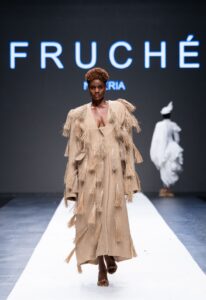
Fruché offered one of the evening’s more unusual material moments with its Spring/Summer 2027 collection, KLEG. Gingham prints appeared across shirts and draped gowns, while skirts made from carved seed pods and a sculpted wooden bustier brought unexpected textures to the runway.
Photography credit – Kola Oshalusi (Insigna Media)
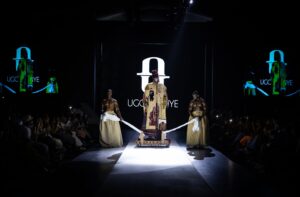
Ugo Monye closed the on-site runway presentations with architectural designs and voluminous menswear silhouettes. The show also featured a surprise appearance by Lagos State Governor Babajide Sanwo-Olu, bringing an unexpected moment to the evening.
Photography credit – Kola Oshalusi (Insigna Media)
Other designers presenting their collections included Bridget Awosika, Nya, Holy One, Malité, Pillz n Poizn, Israella Kobla, Kadiju, Jewel Jemila, Fia, Elie Kuame, Y’Wande and Eki Silk. At ALÁRA, the showroom continued to give buyers and press an opportunity to see collections from Orange Culture, Oshobor, Ajanéé and Maliko up close.
The evening also included a presentation by Heineken x This Is Us, followed by the Lagos Fashion Week after-party, bringing the on-site program to a close.
The Business Behind the Creativity
Day 4 brought an important part of the African fashion story into view. Designers need the freedom to develop their creative identities, but they also need the business foundations to support that work.
Access to finance, dependable production, well-planned collaborations and stronger retail relationships all have a role to play. So does the ability to build on cultural knowledge and textile traditions without losing sight of the people and skills behind them.
As African fashion reaches new audiences and markets, the challenge will be to turn its creative strength into businesses that can grow, compete and endure.