

Luxury has always been defined by storytelling. It is an industry built on heritage, exceptional materials and extraordinary craftsmanship. Today, it is also being shaped by something equally important: transparency.
The European Union’s Digital Product Passport (DPP) is driving one of the most significant shifts the fashion industry has seen in decades. While often viewed as a regulatory requirement, its significance extends far beyond compliance. Used strategically, a Digital Product Passport becomes more than a legal obligation. It becomes a powerful storytelling tool that makes a brand’s heritage, craftsmanship and sustainability claims more credible, verifiable and meaningful.
For brands, it creates an entirely new storytelling channel that reveals the people, places and processes behind every creation
At its core, a Digital Product Passport is a digital identity linked to a product through a QR code or embedded NFC chip. It can reveal everything from material origins and manufacturing processes to environmental impact, care instructions, repair services and end of life options.
For consumers, this offers unprecedented transparency. For brands, it creates an entirely new storytelling channel that reveals the people, places and processes behind every creation. Rather than relying solely on marketing narratives, luxury houses can invite customers to explore the complete journey of a product, from raw material to finished piece.
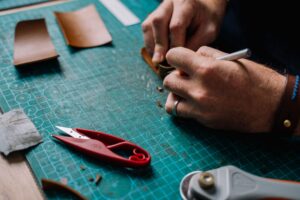
Image Courtesy: Ann Tarazevich, Pexels
Provenance as Luxury’s New Competitive Advantage
Luxury has long been associated with heritage, craftsmanship and exclusivity. Yet today’s consumers increasingly expect those stories to be supported by evidence rather than claims.
Digital Product Passports transform provenance into proof. By connecting craftsmanship with verified information, they turn heritage from narrative into something customers can experience and trust.
Early Signals from Luxury
Several luxury houses are already exploring digital identities in different ways.
Loro Piana offers digitally certified authenticity and traceability for selected collections, allowing owners to access product information and verify ownership digitally.
Chloé has introduced Digital IDs that provide product provenance, care information and authenticated resale, extending transparency beyond the point of purchase.
Dior and Bvlgari are using NFC enabled digital authentication for selected products, giving customers secure access to certificates and product information while strengthening authenticity and after sales engagement.
While each brand has adopted a different approach, together they point towards a broader shift. Transparency is becoming an integral part of the luxury experience rather than simply a compliance exercise.
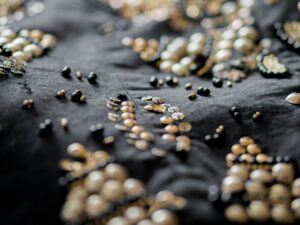
Image Courtesy: Brett Jordan/Pexels
The Indian Opportunity
For India’s luxury sector, Digital Product Passports offer an opportunity that goes well beyond compliance.
India’s luxury heritage is rooted in centuries of craftsmanship, regional knowledge and artisan communities. As Digital Product Passports evolve, they have the potential to bridge this rich heritage with the transparency increasingly expected by global consumers.
Authentic GI tagged Kashmiri Pashmina already benefits from a certification system administered by the Craft Development Institute (CDI) in Srinagar, helping distinguish genuine handwoven Pashmina from imitations. Digital Product Passports could build on such foundations by making provenance, craftsmanship and product histories more accessible through digital technologies.
For artisan led luxury brands across India, Digital Product Passports also present an opportunity to celebrate the people behind every creation. Rather than focusing only on the finished product, future digital identities could connect customers with the materials, regions and communities that shape India’s extraordinary textile heritage.
As global transparency standards continue to evolve, India is uniquely positioned to combine centuries old craftsmanship with next generation digital traceability.
Beyond the Point of Sale
The value of a Digital Product Passport does not end when a purchase is made.
Verified product information can continue to support owners through care guidance, repair services, restoration programmes, authenticated resale and eventual recycling. The relationship between product and owner evolves throughout its lifetime, allowing the story of a luxury item to continue across generations.
As luxury continues to evolve, transparency is becoming a defining expression of quality in its own right.
The future of luxury may no longer be defined solely by the rarity of its materials, but by the authenticity of the stories those materials can tell. Stories that connect landscape, artisan, maker and owner across generations.
All Images Courtesy: Pexels
Coming soon: India’s Digital Product Passport Opportunity: Can Digital Traceability Become a Catalyst for Craft, Heritage and Global Luxury?